
In an era where educational equity is at the forefront of academic discussions, schools are continuously seeking ways to provide fair opportunities for all students, regardless of their background or circumstances. One of the most powerful tools to address educational inequities is data. Specifically, the NWEA MAP (Measures of Academic Progress) test has emerged as a crucial resource for schools aiming to create more equitable learning environments. By utilizing MAP data, educators can gain a deeper understanding of student performance, identify gaps in learning, and implement targeted interventions that ensure every student has the opportunity to succeed.
What Is NWEA MAP Testing?
The nwea map scores by grade level 2024 test is a computer-adaptive assessment that measures a student’s academic progress in key areas like reading, math, language usage, and science. Unlike traditional tests, which are fixed in difficulty, the MAP test adapts based on a student’s answers. If a student answers a question correctly, the test presents more difficult questions; if they answer incorrectly, the questions become easier. This adaptive approach allows the MAP test to more accurately gauge a student’s true ability, providing a clearer picture of their academic strengths and weaknesses.
The results are reported in RIT (Rasch Unit) scores, which represent a student’s learning level rather than grade-level expectations. This allows educators to track a student’s growth over time and measure academic progress in a more personalized way. These scores are invaluable for identifying achievement gaps, tracking student progress, and designing interventions to meet diverse learning needs.
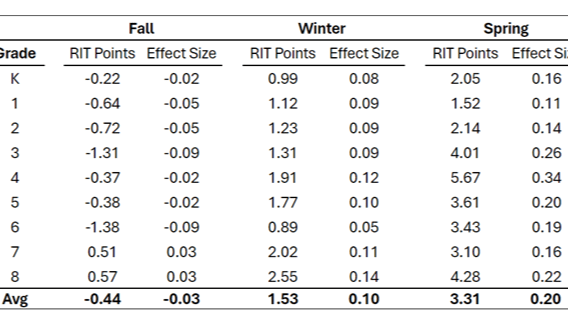
How NWEA MAP Data Addresses Educational Inequities
- Identifying Achievement Gaps Early
One of the most significant challenges in addressing educational inequities is identifying achievement gaps early on. In schools, students come from diverse socioeconomic backgrounds, with varying levels of access to resources and support. These disparities often lead to gaps in academic achievement, particularly in core areas such as reading and math. The MAP test provides timely and specific data on individual student performance, allowing educators to spot these gaps early in the school year, before they grow larger and harder to address.
For example, if a group of students from lower-income backgrounds consistently scores lower in math or reading compared to their peers, MAP data can help highlight this trend. By pinpointing where these achievement gaps exist, schools can make data-driven decisions to target interventions, offer extra support, or adjust the curriculum to better meet the needs of disadvantaged students.
- Personalizing Learning and Providing Targeted Support
Educational inequities often arise from a lack of individualized support. Many students struggle in areas where they do not receive sufficient targeted instruction. For students with varying levels of academic ability, the one-size-fits-all approach can be detrimental to those who need more focused help. MAP testing provides detailed insights into each student’s academic strengths and weaknesses, allowing schools to offer more personalized instruction.
By analyzing MAP scores, educators can design interventions that meet the specific needs of each student. For example, a student who struggles with basic reading comprehension may benefit from additional one-on-one reading sessions or small group instruction. A student who excels in math can be given more challenging problems to stimulate their intellectual growth. This level of personalization ensures that all students, including those who may be at a disadvantage, receive the support necessary to succeed at their own pace.
- Tracking Growth Over Time and Ensuring Continuous Progress
One of the most effective ways to ensure educational equity is to monitor students’ growth over time. Many students, especially those from underserved communities, may start behind their peers academically. However, through consistent monitoring and support, these students can make significant progress. The MAP test is designed to be administered multiple times throughout the year, allowing schools to track student growth and ensure that progress is being made.
For example, if a student is below grade level in math at the beginning of the school year, MAP testing can be used to measure their progress at regular intervals. If the student is making progress, this can indicate that the interventions and support strategies are working. Conversely, if the student’s growth is slower than expected, additional support can be provided to address specific areas of need. This ability to track growth ensures that no student is left behind, even if they start at a disadvantage.
- Supporting Data-Driven Decision-Making
Addressing educational inequities requires schools to make informed decisions about where to allocate resources and how to support students. MAP data provides valuable, objective insights into student performance, helping school leaders, administrators, and teachers make data-driven decisions. This data can inform decisions about curriculum adjustments, resource allocation, professional development for teachers, and the identification of students who may need additional support.
For example, if MAP scores reveal that a particular group of students is consistently underperforming in math, school leaders can decide to invest in additional math resources, professional development for teachers, or after-school tutoring programs to address these needs. This evidence-based approach ensures that resources are used effectively to close achievement gaps and provide equitable learning opportunities for all students.
- Promoting Equity in Curriculum Design
Curriculum design is another area where NWEA MAP data plays a critical role in addressing educational inequities. A curriculum that is not aligned with the varying needs of students can exacerbate gaps in achievement, particularly for those who may need more support or a different pace of learning. By using MAP data, schools can identify areas where the curriculum may be falling short or where students need more time and attention.
For example, if MAP results show that students in a particular grade level are struggling with reading comprehension, the curriculum can be adjusted to provide more focused reading instruction or greater differentiation. Additionally, MAP data can help identify whether the curriculum is appropriately challenging for all students, not just those who perform at or above grade level. This ensures that all students, regardless of background or ability, have access to a curriculum that meets their needs and promotes equity in educational outcomes.
- Engaging Families and Communities in the Process
Educational inequities are not solely within the school’s purview; families and communities play an essential role in supporting student success. MAP data provides clear, accessible information that can be shared with parents and guardians, helping them understand their child’s academic progress. By engaging families in the process, schools can work collaboratively with parents to create strategies that support students both in and out of the classroom.
For instance, if a parent sees that their child’s MAP scores are lower than expected, they can work with teachers to identify areas for improvement and seek additional support outside of school, such as tutoring or community programs. This partnership helps ensure that students receive consistent support from both their school and their family, fostering a more equitable learning environment.
Conclusion
NWEA MAP data is a powerful tool that schools can use to address educational inequities. By identifying achievement gaps early, personalizing instruction, tracking growth, and making data-driven decisions, schools can provide the support necessary to help every student succeed. The insights provided by MAP testing allow educators to make informed decisions that target resources where they are needed most, ensuring that all students have access to the opportunities and support they need to thrive. As schools continue to use MAP data to inform their practices, they can make meaningful strides in reducing educational inequities and ensuring that every student, regardless of background, can reach their full potential.
 Nwea Map Test Scores 2025-2026